Crawl Space Moisture and Ventilation: Why the Conditions Under Your Home Matter
A crawl space is easy to forget because it is out of sight. But conditions below a home can affect what happens above it. Moisture, wood contact, openings, and seasonal changes may create shelter for insects or rodents.
In Southern Maryland and Northern Virginia, humid weather can add to these concerns. A musty smell or repeated pest activity does not tell us the full cause. It tells us the space deserves a careful look.
Why crawl spaces hold moisture
Moisture can come from the soil, surface water near the foundation, plumbing, or humid air that meets cooler materials below the home. The same symptom can have more than one cause.
That is why it is important to understand the source before choosing a repair. A pest treatment by itself does not correct a water or ventilation problem.
Signs a professional should assess
- A musty smell that keeps returning.
- Visible dampness or recurring water below the home.
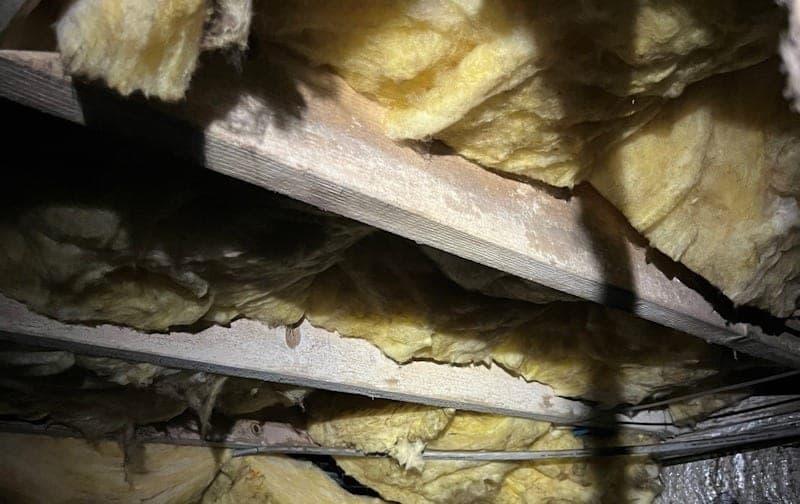
- Sagging insulation or signs of moisture on wood.
- Pest activity near the crawl space or lower level.
- Wood damage or conditions that may support termites and other pests.
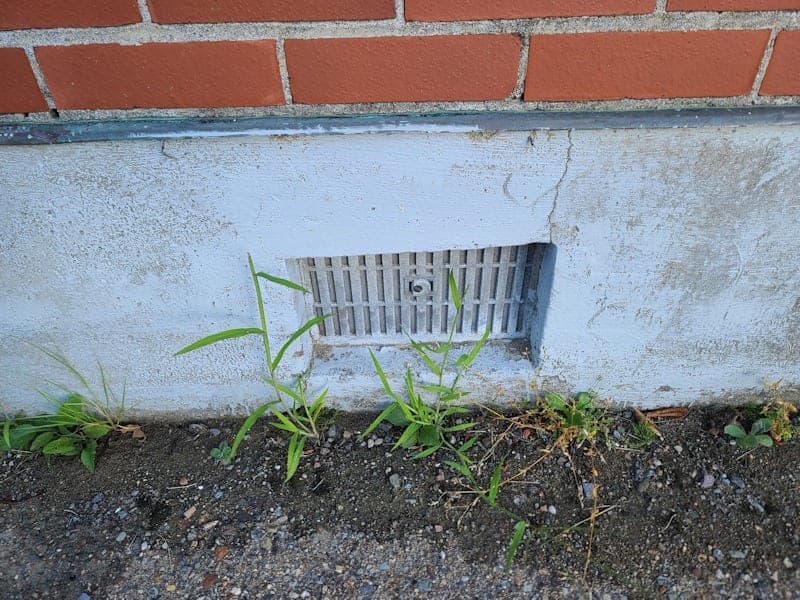
Do crawl space vents help?
Not every crawl space needs the same ventilation plan. In humid weather, outside air may add moisture instead of removing it. In other homes, drainage, plumbing, or building conditions may be the bigger concern.
Changes to vents, barriers, or moisture systems should follow an in-person assessment by a qualified professional and any local building requirements. There is no one answer that fits every house.
Moisture and pests are connected
Pests do not show up at random. They follow conditions that give them access, water, food, or shelter. Damp wood may support termite activity. Moist areas can also attract other insects. Rodents may use hidden openings around a foundation.
This does not mean every damp crawl space has a serious pest problem. It means the moisture and the pest activity should be understood together. Treating one symptom without addressing the cause can lead to repeat visits and frustration.
What a PFPC inspection can tell you
Our work begins with signs of pest activity and the conditions that help pests thrive. We inspect with an outside-first view of the home, then explain how moisture, entry points, structure, and season may be connected.
After each visit, we provide a written inspection report. It records what we found, the decisions we made, and what should be watched next. Clients can find those reports together in the PFPC customer app.
What falls outside a pest inspection
A pest inspection is not a mold assessment, structural engineering review, or full building-moisture diagnosis. If we see conditions that call for another trade, we will explain that. A qualified crawl space, building, or moisture professional should decide which repairs are needed.
The right response may involve more than one specialist. Clear findings help you know which question to ask next.
Why this matters in homes with pets
Dogs and cats move through the same home affected by seasonal moisture and pest activity. Our aim is to reduce unnecessary treatments while managing the conditions that make pest problems more likely.
Protecting a home well often means noticing small changes over time, documenting them, and making careful decisions before a larger problem develops.
When to ask for an assessment
If musty odors, moisture signs, or pest activity keep returning, a professional review can help separate a pest concern from a moisture or building concern. That is more useful than guessing at a fix.
Frequently asked questions
Does a damp crawl space always need pest treatment?
No. A treatment is not automatic. We inspect first and recommend pest work only when the findings support it.
Can opening vents solve the problem?
Sometimes ventilation is part of the answer, but the right choice depends on the building and the moisture source. A qualified professional should assess it.
Does mold mean I have termites?
No. Moisture and wood conditions may support pest activity, but the presence of mold alone does not prove termites are there.
Can PFPC repair the moisture problem?
Our pest inspection identifies pest activity and contributing conditions. Other work may need a qualified moisture, crawl space, or building professional. The scope of any PFPC Healthy Crawl Space service should be confirmed during assessment.
Will you document what you find?
Yes. Each visit includes a written inspection report and guidance on what to monitor.